


A soft mechanical click. The weight of a small camera in your hand. A dial that turns with resistance, not a swipe that disappears.
Walk through Tokyo today, and you’ll notice something strange: the newest trend doesn’t look new at all.
Retro cameras. Compact devices. Designs that feel pulled from the 80s and 90s — yet they’re everywhere again. And not just for display. People are actually choosing them.
As someone born in Korea and now living in Japan, this shift felt subtle at first… and then undeniable. It hit different. Because here, retro isn’t just style — it’s a way of slowing down how you experience things.
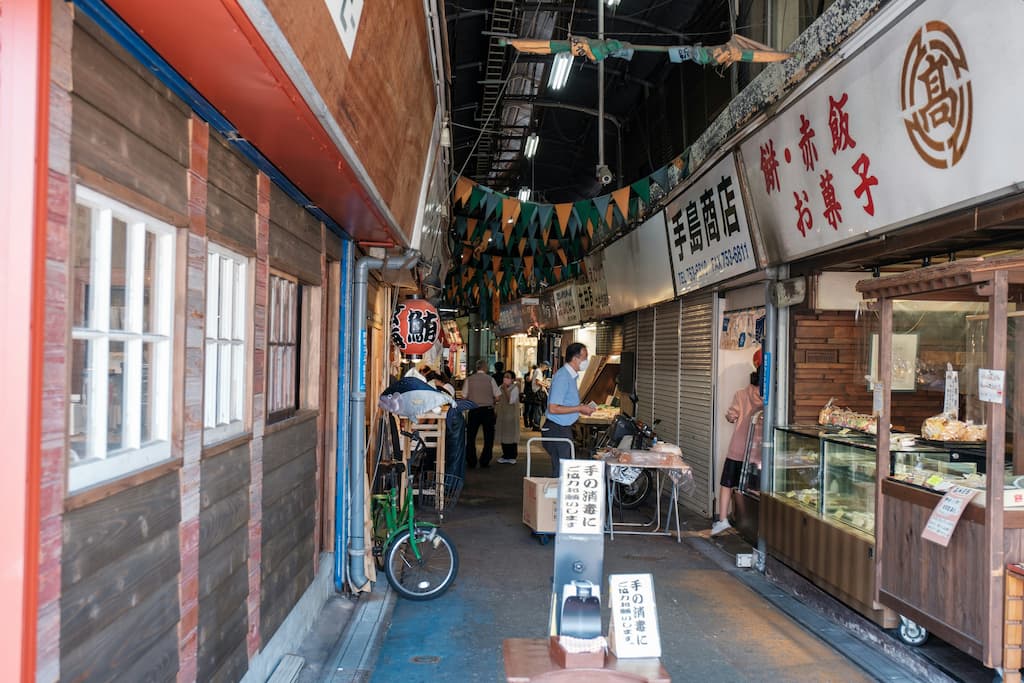
And one detail stayed with me: a tiny camera shop window, filled with silver dials and leather straps, glowing under warm yellow light — while right next door, a modern electronics store stood almost empty.
Quick Answer: Retro is winning in Japan because it offers something modern tech often lacks — tactile experience, emotional connection, and simplicity. As devices become more complex, many consumers are turning to retro-style products that feel more human, intentional, and personal.
⏱ 9 min read
Why Retro Is Winning in Japan: What It Really Means
The rise of retro in Japan isn’t random. According to trends highlighted by Digital Camera World, compact cameras and retro-designed devices are making a strong comeback — especially among younger users.
But this isn’t just about photography.
It’s about how people want to interact with technology again.
What’s driving the trend:
- Physical controls instead of touchscreens
- Slower, more intentional user experience
- Designs that feel familiar and comforting
In a country known for cutting-edge innovation, this shift feels almost paradoxical. But maybe that’s exactly the point.
When everything becomes faster, smoother, and more optimized… people start looking for friction again.
Why Japanese Consumers Are Choosing Retro Over Modern
Save this list — you’ll thank yourself later. 📌
The biggest reason is surprisingly simple: control.
Modern devices are powerful, but often invisible. Everything happens behind a screen. Retro devices, on the other hand, make every action visible — every click, every turn, every adjustment.
And that changes how you feel.
“It’s not just about what you create — it’s about how it feels to create it.”
There’s also something deeper happening.
In Japan, objects often carry emotional weight. A device isn’t just functional — it’s part of daily life, part of rhythm, part of mood.
That’s why retro works here. It doesn’t compete with modern tech — it complements a different way of living.
How to Experience Japan’s Retro Trend Yourself
Visit a retro café
Look for kissaten-style coffee shops where time feels slower and details matter.
Explore secondhand tech shops
You’ll find vintage cameras, old game consoles, and devices still in use today.
Pay attention to small details
Packaging, textures, and sounds often carry the retro feeling more than the product itself.
One moment I still remember clearly: sitting in a quiet café, drinking a cup of coffee prepared by an older owner who had clearly been doing this for decades. The taste was deep, slightly bitter, and warm in a way that felt… complete.
That experience didn’t feel like nostalgia. It felt real.
Common Mistakes When Understanding the Retro Trend
What You Need to Know
- It’s not just nostalgia — it’s a lifestyle shift
- It’s not rejecting technology — it’s redefining it
- It’s not only for older generations — young users are leading it
Another misconception? That retro is “outdated.”
In Japan, it’s often the opposite. Retro is curated, intentional, and sometimes even premium.
And once you see that, the trend makes much more sense.
Pro Tips from People Who Know Japan
“The past isn’t coming back. It never left.”
Another detail that stayed with me: a small shop selling snacks and toys from the 80s and 90s. Old packaging, faded colors, simple designs — yet people were excited, not because it was old, but because it felt honest.
That’s the difference between Korea and Japan in this space.
In Korea, retro often comes back as a trend — stylized, refreshed, sometimes even rebranded.
In Japan, it feels more preserved. Less edited. More… intact.
That’s why it connects differently.
Quick Reference
- Retro = tactile + emotional + intentional
- Modern fatigue is driving the shift
- Japan treats objects as part of daily life rhythm
Frequently Asked Questions
Why is retro becoming popular in Japan?
Because it offers a slower, more tactile and emotional experience compared to modern technology.
Are retro devices better than modern ones?
Not necessarily — they provide a different kind of value focused on experience rather than efficiency.
Is this trend temporary?
It may evolve, but the desire for more meaningful interaction with technology is likely to stay.