

⏱ 7 min read
🎬 Watch the official music video first:
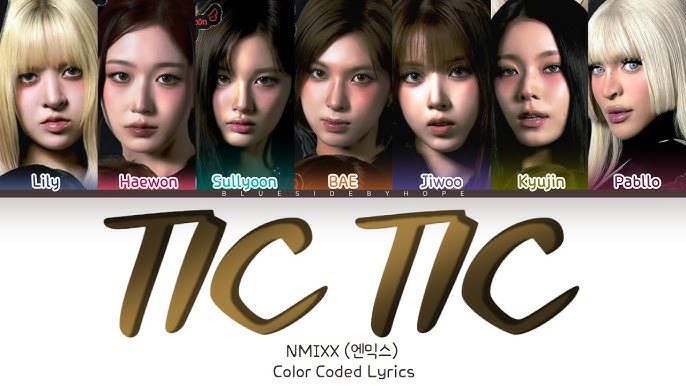
The first time I heard NMIXX’s “TIC TIC,” it felt… chaotic. Not bad, just unpredictable. But then something strange happened. A few hours later, the hook came back. Then the dance clip showed up on my feed. Then again. And again.
That’s when it clicked: this wasn’t just another comeback. Something about “TIC TIC” was engineered—or maybe just perfectly timed—to go viral in a way that feels almost unavoidable in 2026.
So what exactly is driving this surge? Is it the choreography, the sound, or the fans? The answer is more layered than you’d think.
What Most People Get Wrong About “TIC TIC”
The most common reaction at first is confusion.
People hear the track once and think it’s too experimental, too fragmented, or too “NMIXX-style” to go mainstream. That assumption makes sense—NMIXX has always leaned into unexpected transitions and bold structure.
But that’s exactly where people underestimate the song.
“TIC TIC” isn’t trying to be instantly loved. It’s designed to loop in your brain. The more you hear it, the more it makes sense. And in today’s algorithm-driven world, that repeat exposure is everything.
What Actually Surprised Me
The turning point wasn’t the song—it was the dance.
Scrolling through short-form videos, I kept seeing the same move: a sharp, almost mechanical gesture that perfectly matches the “tic tic” sound. It’s simple enough to copy, but distinctive enough to stand out.
That’s the formula for virality.
Then I noticed something else: the hook.
It’s not traditionally melodic. It’s rhythmic, almost percussive. Instead of trying to impress you musically, it locks into your memory physically. You don’t just hear it—you feel it.
And once that happens, it’s hard to forget.
K-pop Then vs Now: Why “TIC TIC” Works in 2026
Quick Comparison:
- Then: Focus on full songs and stage performance
- Now: Focus on short-form moments and replay value
- Then: Strong chorus = success
- Now: Strong “clip moment” = virality
“TIC TIC” feels perfectly built for the current K-pop landscape.
In earlier eras, songs needed to be cohesive and performance-driven. Today, they need to survive—and dominate—15-second clips. That changes everything about how music is structured.
NMIXX leaned into that shift. Instead of chasing a traditional hit, they created multiple “viral entry points”: the dance, the hook, the visual styling.
It’s less about the full song and more about how many ways people can interact with it.
What This Taught Me About K-pop (And Virality)
1. Repetition beats first impressions
A song doesn’t need to be instantly loved—it needs to be replayed. “TIC TIC” grows on you because you keep encountering it.
2. Simplicity wins in dance
The choreography isn’t overly complex. That’s exactly why fans—and even non-fans—can participate.
3. Hooks don’t have to be melodic
The “tic tic” sound works because it’s rhythmic and memorable, not because it’s traditionally catchy.
4. Fans amplify everything
Once the fandom picks a moment—like the key dance move—it spreads exponentially.
5. Virality is built, not random
It might feel organic, but elements like timing, format, and shareability all play a role.
How to Experience “TIC TIC” Like Fans Do
If you want to understand the hype, don’t just listen to the full track once.
- Watch the dance challenge clips
- Focus on the hook section separately
- Pay attention to how different creators interpret the choreography
- Then go back and listen to the full song again
The experience is completely different when you approach it this way.
Honest Verdict
So—is “TIC TIC” actually good, or just viral?
It’s both, but not in the way you might expect.
As a standalone song, it’s unconventional and not immediately accessible. But as a piece of modern K-pop content designed for 2026, it’s incredibly effective.
It understands how people consume music now—and uses that to its advantage.
You Might Also Enjoy
→ Why K-pop Choreography Drives Virality Now
→ The Evolution of K-pop Hooks Explained
→ How TikTok Changed the Music Industry
Closing Thoughts
“TIC TIC” works because it doesn’t try to win you over in one listen.
It surrounds you. It repeats. It shows up in different forms until it becomes familiar—and then addictive.
And maybe that’s the real lesson here: in 2026, the songs that go viral aren’t the ones you love instantly. They’re the ones you can’t escape.
Korea has a way of changing how you see the world — and yourself.