

The jimjilbang culture is spreading far beyond Korea — and in cities like London and Los Angeles, it’s starting to feel like something bigger than a trend.
In a converted warehouse in East London, forty people lie silently on heated jade floors.
Steam rises. Phones are gone. Time feels slower.
This is not Korea — but it feels like it.
The Cultural Background
The story of jimjilbang culture begins centuries ago, rooted in traditional Korean bathhouses known as hanjeungmak.
These early saunas used heated stone rooms to promote detoxification and relaxation — a concept tied closely to Korean ideas of balance and wellness.
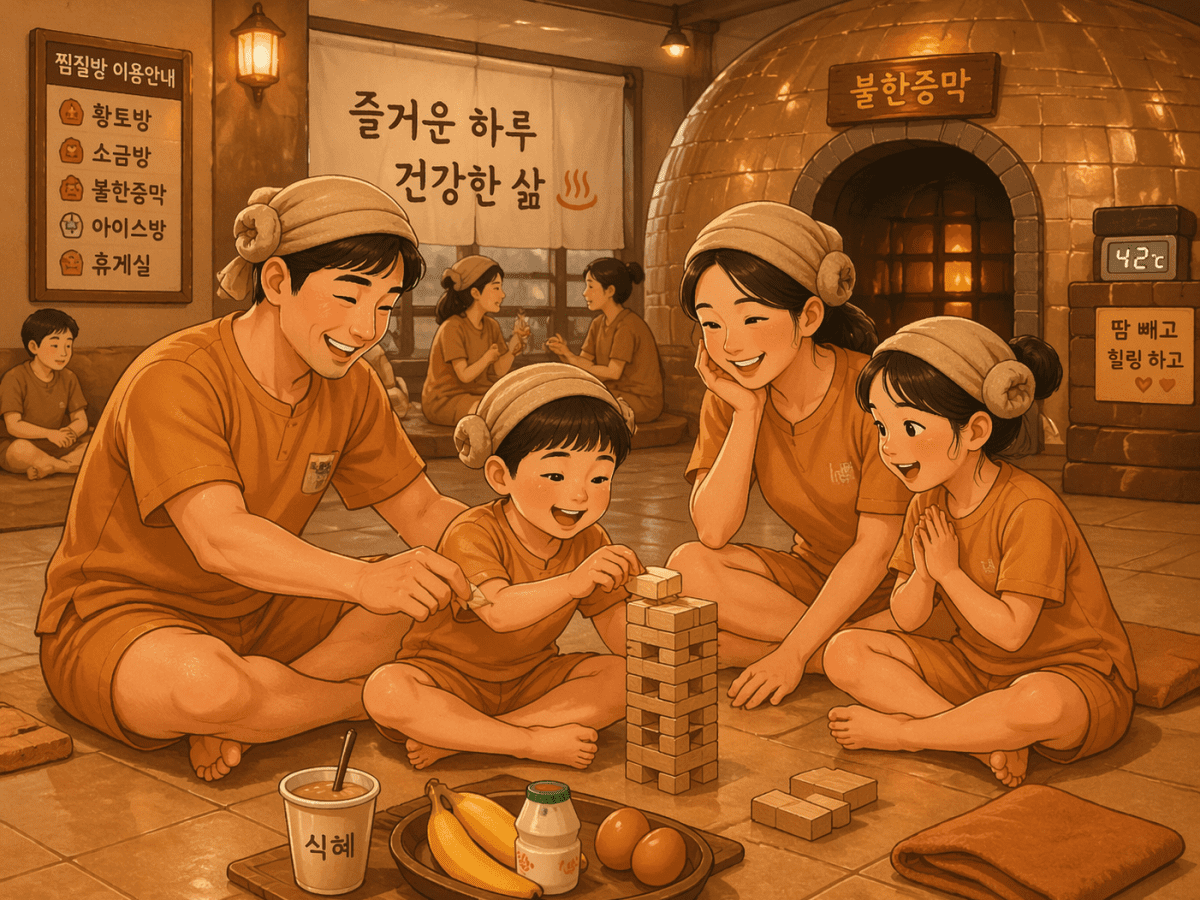
Over time, this evolved into the modern jimjilbang: a 24-hour communal space combining baths, saunas, rest areas, and social life.
Not just a place to wash — but a place to exist.
Families sleep there. Friends gather. Travelers stay overnight.
In Korea, it’s not luxury.
It’s everyday life.
How It Looks in Modern Korea Today
Today, jimjilbang culture is still deeply embedded in Korean daily routines.
Some facilities are massive — with multiple sauna rooms, salt caves, ice rooms, and even cinemas.
- 24-hour access
- Entry fees often under $15
- Thousands of visitors daily in major Seoul locations
One of Seoul’s largest jimjilbangs can host over 2,000 people at once.
It’s not quiet. It’s alive.
Teenagers chat over snacks. Elderly visitors nap on heated floors. Office workers unwind after midnight.
This is wellness — but not the solitary kind.
It’s shared.
Why the World Is Paying Attention
So why is jimjilbang culture suddenly appearing in global cities?
The answer is simple.
People are tired.
Burnout, digital overload, and isolation have pushed wellness culture into a new phase.
According to Korea Herald, Korean-style spas are expanding internationally as demand for holistic, communal relaxation grows.
And jimjilbang offers something different.
Not silence. Not solitude.
Connection.
In contrast to Western spa culture — often quiet, expensive, and individual — jimjilbang is affordable, social, and immersive.
It’s less about escaping life.
And more about slowing it down together.
Why jimjilbang resonates globally:
- Affordable wellness → accessible to more people
- Community-based experience → social connection
- Digital detox → no pressure to stay online
But why now?
Because the world is finally ready to slow down.
How Readers Can Experience It Themselves
You don’t need to fly to Seoul to experience jimjilbang culture.
But if you do — it’s unforgettable.
First-time visitors should know:
- Separate gender bath areas (mandatory nudity)
- Shared lounge areas with uniforms
- Sauna rooms with different temperatures
And one rule above all:
Stay longer than you planned.
Because that’s when it starts to make sense.
That moment — lying on a warm floor, surrounded by strangers who feel oddly familiar.
That’s jimjilbang.
📌 You might also enjoy:
→ Why Korean street fashion is taking over global style
→ The rise of Korean wellness culture worldwide
→ Inside Seoul’s 24-hour lifestyle
Frequently Asked Questions
What is jimjilbang culture?
Jimjilbang culture refers to traditional Korean bathhouse culture, combining saunas, bathing, relaxation, and social interaction in one shared space.
Why is jimjilbang culture becoming popular worldwide?
Because it offers affordable, communal wellness experiences that contrast with individual-focused Western spa culture.
How can tourists experience jimjilbang culture in Korea?
Tourists can visit major jimjilbang facilities in Seoul, follow basic etiquette, and enjoy multiple sauna and relaxation rooms for a full experience.
Korean culture isn’t just exported.
It’s experienced.
And once you feel it —
you don’t forget it.
If you’re new to K-pop, this is the perfect moment to start exploring.