

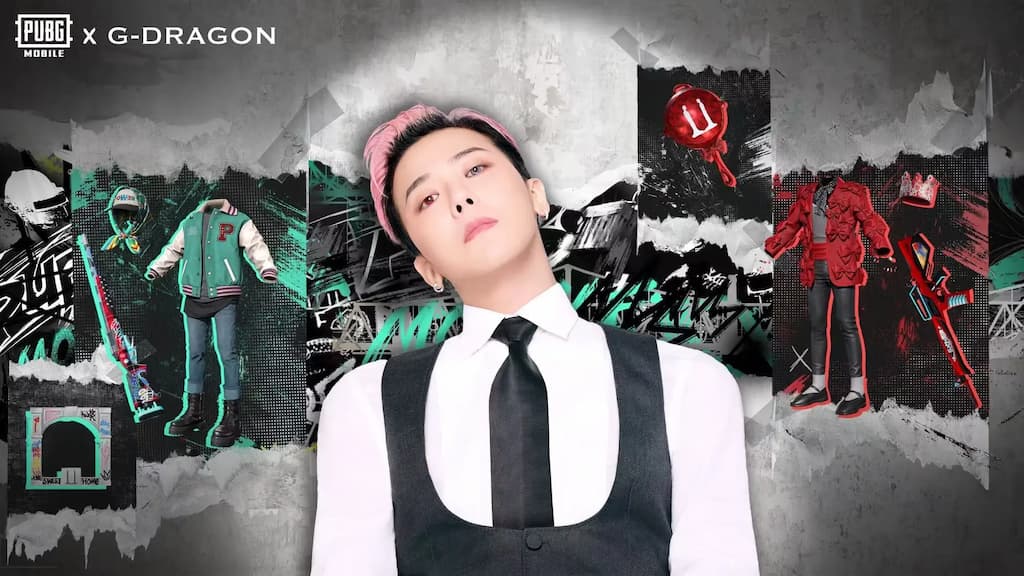
The clip spread fast. A few seconds of footage, a single outfit, and within hours, timelines across the world were flooded with reactions. Some called it bold. Others called it offensive. No one seemed neutral.
This wasn’t just another celebrity moment. It hit different. Because when it comes to G-Dragon, nothing ever stays small. Every gesture, every look, every choice carries weight — and this time, it triggered something much bigger than expected.
As someone born in Korea, I couldn’t look away from how quickly this escalated. Not just because of what happened, but because of what G-Dragon represents inside Korean culture. This wasn’t just about fashion. It was about identity, history, and influence colliding in real time.
And the detail that stayed with me? The silence before the backlash. That brief window where the image existed without judgment — before everything shifted.
Quick Answer: The recent G-Dragon backlash began with a controversial outfit that quickly went viral, sparking debate over cultural sensitivity, artistic freedom, and cancel culture. What made it explode globally wasn’t just the image itself, but the stark divide between Korean and international reactions.
⏱ 9 min read
G-Dragon Backlash: My First Reaction
“This wasn’t just controversy — it was a cultural fault line.”
In Korea, G-Dragon is not just an idol. He’s something closer to a cultural symbol. From fashion to music to attitude, he has shaped how an entire generation sees creativity.
So when the backlash started, it didn’t feel like a simple scandal. It felt like watching a symbol being questioned.
That’s why the reaction inside Korea was complex. There wasn’t just anger or defense — there was confusion, debate, and reflection. People weren’t only asking “Is this wrong?” but also “What does this mean for someone like him?”
What I Expected vs What Actually Happened
| Expectation | Reality |
|---|---|
| Short-lived controversy | Global debate across platforms |
| Unified reaction | Divided opinions worldwide |
| Fashion discussion | Cultural and ethical debate |
What surprised me most was the difference in tone between Korea and international audiences.
Globally, the reaction was immediate and sharp. Words like “problematic” and “offensive” dominated the conversation. But in Korea, the response felt more layered — less explosive, more analytical.
This gap isn’t new, but it felt especially visible this time. And once you notice it, you can’t unsee it.
The Part No One Talks About
What’s really happening:
- Different cultural contexts shape what people see as “offensive.”
- Global fandoms react faster than local discourse can form.
- Artists like G-Dragon carry symbolic weight beyond their actions.
Save this list — you’ll thank yourself later. 📌
Another thing that stood out? The fandom response.
Every time controversy hits, something predictable happens: fans don’t disappear — they organize. They defend, explain, and sometimes push back harder than before.
It’s almost like the backlash strengthens the core community instead of breaking it.
This pattern has repeated itself multiple times in K-pop, and G-Dragon is one of the clearest examples of it.
G-Dragon Backlash: The Verdict
“It wasn’t just about what he wore. It was about what people saw in it.”
So is this cancel culture? Or a real issue?
The honest answer is: both sides are reacting to something real — but from different frameworks.
For some, it’s about accountability and awareness. For others, it’s about artistic expression and context.
And G-Dragon stands right in the middle of that tension.
Who Should (and Shouldn’t) Take This Seriously
What You Need to Know
- Take it seriously if you care about cultural impact.
- Look deeper if you follow K-pop beyond headlines.
- Skip the noise if you’re only reacting to viral clips.
Quick Verdict:
- ✅ Best for: fans trying to understand global vs Korean reactions
- ⚠️ Skip if: you want a simple “right or wrong” answer
- 💡 Worth it?: yes — because it reveals how K-pop really works
Frequently Asked Questions
Why did the G-Dragon backlash go global?
Because his influence goes beyond Korea, and the issue touched on themes that resonate worldwide.
Is the backlash justified?
It depends on cultural perspective — different audiences interpret the same moment differently.
Does controversy hurt K-pop artists?
Not always. In some cases, it strengthens fan loyalty and deepens engagement.