


⏱ 11 min read
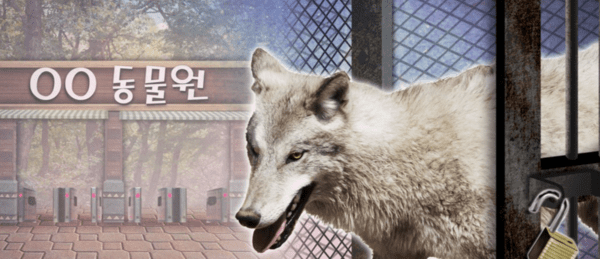
The wolf that escaped a Korean zoo, known as “Neukgu,” became an internet phenomenon almost overnight—and not for the reason you might expect.
At first, it sounded like a typical news story. An animal escape. A local incident. Something that would trend for a few hours and disappear.
But that didn’t happen.
Instead, “Neukgu” spread across social media, turned into memes, sparked emotional reactions, and even started conversations about wildlife, captivity, and freedom.
So what actually made this story explode?
In this guide, we break down what happened, why people cared so much, and how a single wolf became a global talking point.
In This Article:
The Wolf That Escaped a Korean Zoo: What Happened
It started as a local incident—and turned into something much bigger.
“Neukgu,” a wolf housed in a Korean zoo, reportedly escaped its enclosure, prompting a search effort and safety concerns in the surrounding area.
At first, coverage was straightforward: location updates, safety warnings, and eventual containment.
But something shifted.
Instead of fading, the story began spreading across platforms. Clips, edits, and posts started appearing—not just sharing the news, but reframing it.
Suddenly, “Neukgu” wasn’t just an escaped animal. It became a symbol.
As seen in broader media trends highlighted by BBC, unusual animal stories often gain traction when they connect emotionally or visually with audiences.
And this one did both.
Why Stories Like This Go Viral in Korea
Because they tap into emotion, symbolism, and shareability.
Korean internet culture moves fast—but it also amplifies stories that feel meaningful beyond the surface.
In the case of “Neukgu,” several factors aligned:
1. Clear narrative
An animal escaping captivity is instantly understandable—and compelling.
2. Emotional projection
People began interpreting the wolf as a symbol of freedom, loneliness, or resistance.
3. Visual content
Any footage or images made it easier to share and remix.
4. Meme potential
Simple story + strong imagery = easy adaptation into humor and commentary.
According to The New York Times, viral phenomena often combine emotional resonance with visual simplicity—exactly what happened here.
“Neukgu” fit perfectly into that pattern.
How the “Neukgu” Story Spread Online
Here’s exactly how it turned into a phenomenon.
1. Initial news reports
Local coverage introduced the story.
2. Social media amplification
Users began sharing clips and updates.
3. Meme transformation
The wolf became a relatable figure in captions and edits.
4. Global curiosity
International audiences picked it up.
5. Symbolic reinterpretation
The story evolved beyond facts into meaning.
This progression is typical of modern internet culture—but rarely happens this quickly.
Save this breakdown—you’ll start recognizing this pattern everywhere. 📌
Common Misunderstandings About the Incident
The biggest mistake? Confusing the story with its online version.
1. Assuming all viral details are accurate
As stories spread, details often change.
2. Over-romanticizing the situation
Real-world risks and responsibilities still exist.
3. Ignoring context
Local reactions and official responses matter.
4. Treating it as “just a meme”
The emotional response was genuine for many people.
What This Says About Internet Culture Today
One story can become many different things at once.
“Neukgu” wasn’t just news. It became:
- A symbol of freedom
- A meme format
- A global conversation starter
This reflects a larger shift in how information spreads.
Stories are no longer static. They evolve as people interact with them.
And sometimes, the version people remember isn’t the original—it’s the one shaped by the internet.
Ready to understand how trends actually work online? This is a perfect case study.
Quick Reference:
- 🐺 Event: Zoo escape
- 📱 Trigger: Social media sharing
- 🔥 Key factor: Emotional connection
- 🔁 Result: Viral phenomenon
Frequently Asked Questions
Why did the wolf that escaped a Korean zoo become so popular?
The wolf that escaped a Korean zoo gained attention because of its emotional story, visual appeal, and how easily it could be shared and reinterpreted online.
Is the story of the wolf that escaped a Korean zoo accurate online?
Not always. As it spread, some details were simplified or changed, which is common in viral stories.
What does the wolf that escaped a Korean zoo represent?
For many, it became a symbol of freedom and individuality, even beyond the original incident.
📌 You might also enjoy:
→ How Korean Internet Trends Go Viral
→ The Most Unexpected Viral Moments in Korea
→ Why Animal Stories Spread So Fast Online
Some stories fade.
Others evolve.
“Neukgu” didn’t just go viral—it became something people could relate to, reinterpret, and share.
And that’s what makes a real internet phenomenon.